.svg)

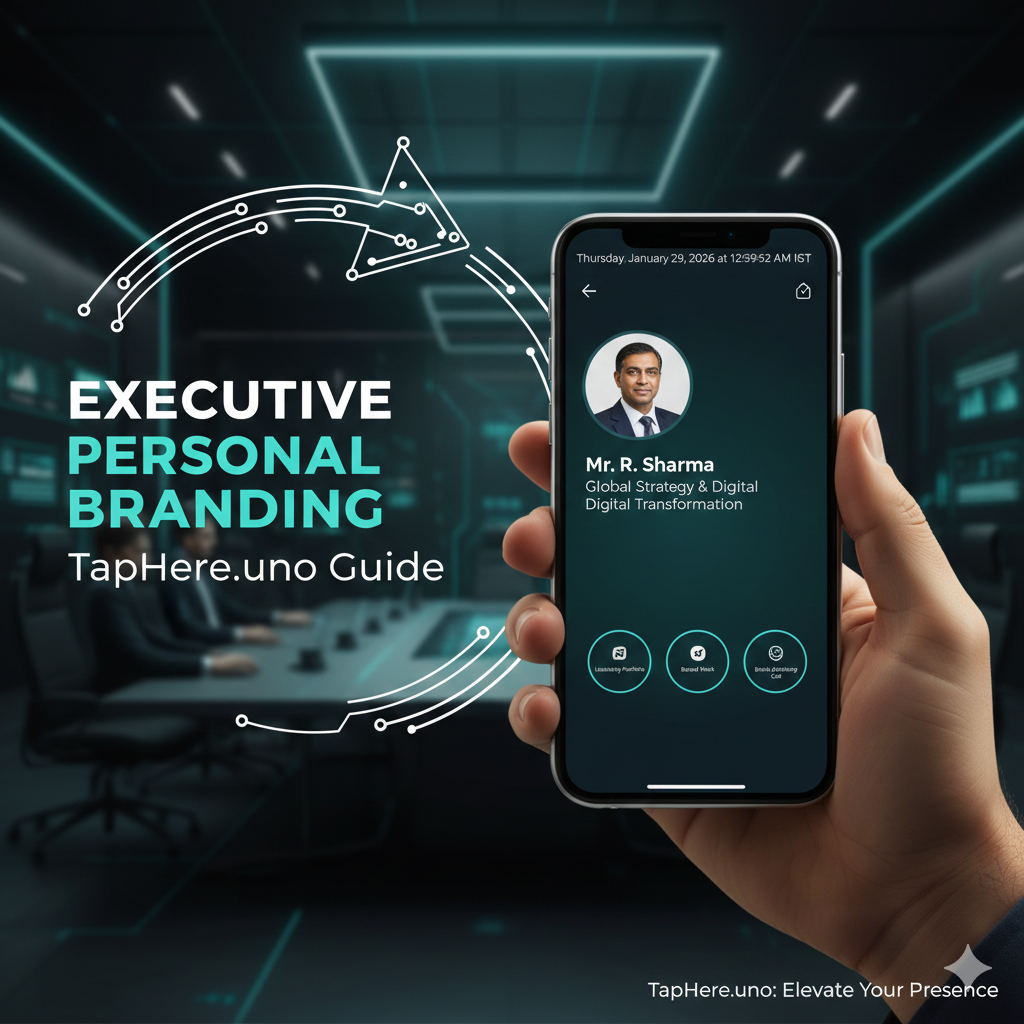
🏛️ The Executive Identity: Strategic Personal Branding for Senior Leaders
In senior leadership, hiring decisions are rarely made by reading every word of a resume. They are made by identifying patterns. Boards, recruiters, and stakeholders operate under high pressure with limited attention; they look for a "leadership hook" that justifies the risk of a high-stakes appointment.
If you are a senior professional, your personal brand is not about self-promotion—it is about calculated positioning. Without a clear brand, you are labeled as “generally experienced.” That label is expensive. It leads to lower offer leverage, slower interview cycles, and a perception that you are interchangeable.
Why Personal Branding is Non-Negotiable for Executives
A well-defined personal brand acts as a strategic filter for your career. It provides four essential advantages:
Immediate Value Recognition: It makes your leadership mandate easy to understand and even easier to remember.
Peer Differentiation: It separates you from thousands of other candidates with the same titles and years of service.
Trust without Explanation: A consistent brand builds credibility before you even enter the room.
Risk Mitigation: It reduces the perceived danger of a bad hire by showing a repeatable history of success.
How to Audit Your Executive Brand
Before you can communicate your brand, you must identify your Center of Gravity. Use this three-step reflection to find yours:
1. The Repeatable Solution
Look at where you have been consistently trusted, not just promoted. What specific "fire" are you always brought in to put out? Are you the Turnaround Architect, the Growth Accelerator, or the Stabilization Expert?
2. Signature Accomplishments
Review your top 3–5 wins. Instead of listing duties, look for the outcome pattern:
Scale: Team size, budget ownership, or geographic reach.
Context: Was it a crisis, a transformation, or a market entry?
Impact: What was the material change because you were there?
3. The Authority Statement
Distill your brand into a single, high-impact sentence.
Example: "Transformation-focused COO known for leading high-risk turnarounds and protecting $50M+ in revenue during periods of market disruption."
From Resume to Digital Hub: The Branding Map
To be effective in 2026, your brand must be consistent across every touchpoint. Use the table below to audit your current positioning:
| Section | Static Approach (Outdated) | Branded Approach (2026) |
|---|---|---|
| Headline | "Experienced VP of Sales" | "Sales Executive specializing in Scaling SaaS from $10M to $100M ARR." |
| Summary | A list of soft skills (e.g., "Motivated leader") | A value proposition: "Focused on operational rigor and cross-functional influence." |
| Metrics | "Increased revenue YoY." | "Delivered 34% EBITDA growth through strategic vendor consolidation." |
| Connectivity | Static phone/email only. | A taphere.uno link housing board work, portfolios, and booking links. |
🔍 People Also Ask
How do I handle a "multi-hyphenate" career?
Many senior leaders are also Board Members, Advisors, or Speakers. A taphere.uno link is the best way to organize these roles without cluttering your resume. It allows you to present a unified "Command Center" for your various professional identities.
Is LinkedIn enough for personal branding?
LinkedIn is a feed, not a hub. While it is great for networking, your personal brand needs a centralized landing page where your resume, thought leadership, and contact details live in a controlled, premium environment.
How do I reposition my brand after an industry pivot?
Focus on functional portability. If your brand is "Operational Excellence," that translates from Manufacturing to Retail. Highlight the systems you built, as systems are industry-agnostic.
How do recruiters find my "real" brand?
Recruiters today look for "Digital Consistency." They will check your resume against your LinkedIn and your personal link. If your message is the same across all three, your trust score doubles.
The Bottom Line 🎯
Your executive presence shouldn't be a mystery that people have to solve. It should be a clear, confident statement of what you do, who you do it for, and the results you guarantee.
When your narrative is clear, you don't just find a job—you attract the right opportunity at the right price.